To maintain the cleanliness and comfort of your living space, pest control is crucial. It doesn’t matter if it’s a critter that isn’t your garden, kitchen, or even in your bedroom, fighting pests effectively may be difficult. If you have the right approach and experience you can become the master of pest management using do-it-yourself (DIY) methods. In this article, we will discuss various strategies, tips and methods to help you unleash the power of your own DIY pest control to ensure your home is pest-free.
If you want to embark on the DIY approach to controlling pests it is imperative to change your mentality from one of being reactive, to one of being proactive. Instead of just waiting for pests’ entry the home, take a proactive approach. Be sure to check your home for entry points, moisture sources and food items that could draw pests. You can lessen the chance of being infested by identifying these factors and addressing them early.
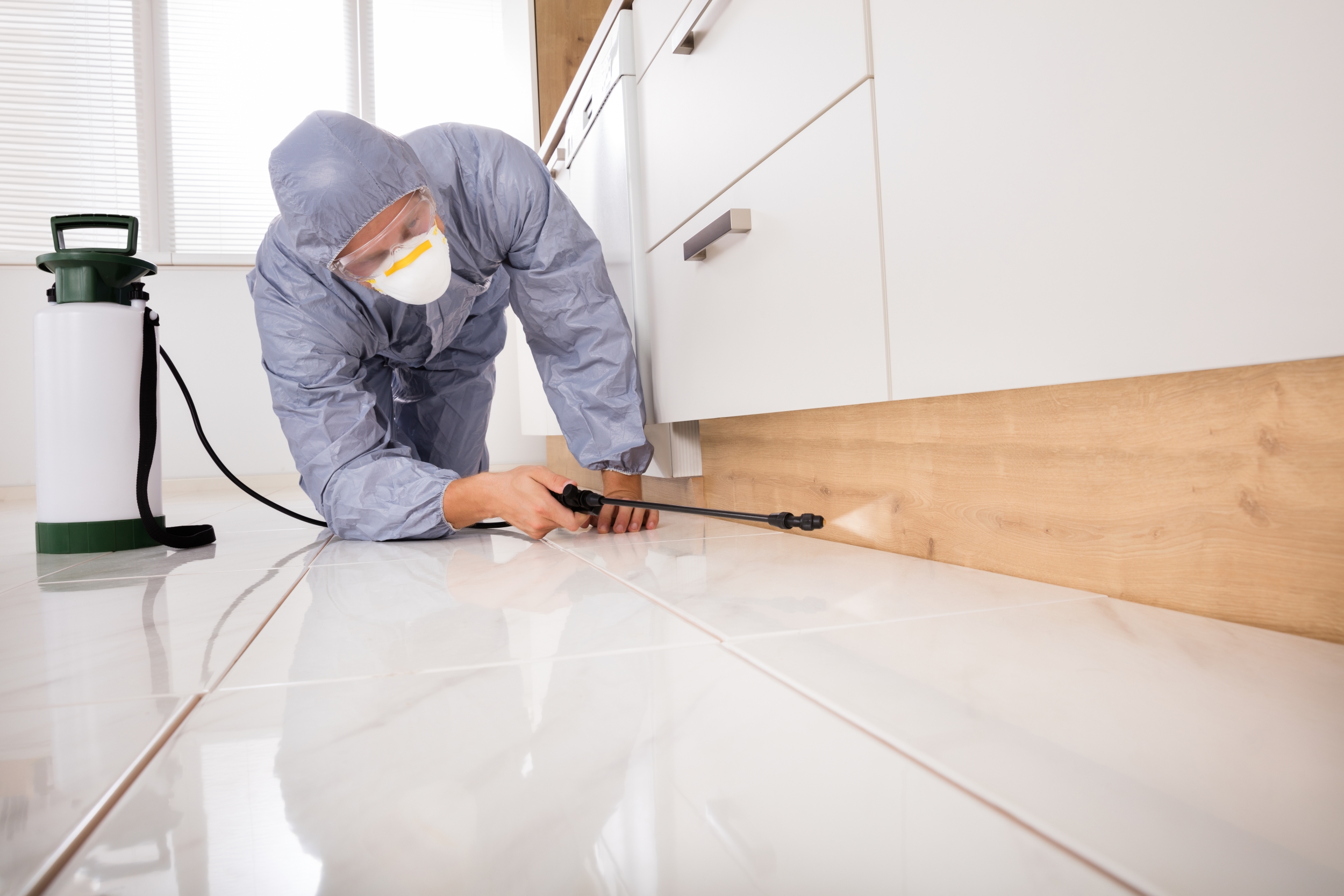
The use of eco-friendly pest management methods will not only safeguard your pet and family but also helps the environment. To deter and repel insects, you can use natural methods for sprays, like vinegar, essential oil sprays, or diatomaceous soil. These methods work well and are less harmful than harsh chemical treatments.
Your home should be landscaped strategically to make your home a pest-free environment. Planting aromatic herbs such as rosemary, mint, or basil can naturally keep insects away. Trim trees and shrubs away from your house to decrease the likelihood of pests who use them as a path. Repair leaky pipes, wash your gutters often and fill any crevices or cracks. This will stop moisture sources.
Pesticides may be necessary in certain instances although green alternatives are more popular. When using pesticides for DIY pest control, it’s crucial to follow the instructions carefully. Choose pesticides specifically formulated for the target pest and only apply them on the areas affected. Be careful not to over-use pesticides since it can lead to resistance in pests and can harm non-target organisms.
Effective pest control begins by conducting a thorough inspection. Regularly examine your home both inside and outside, to identify evidence of infestations. Pests can be identified by looking for droppings or gnaw marks on your pets. The early detection of pests allows you to take action before the issue becomes more serious.
Making a comprehensive management strategy requires a multi-faceted approach. Combining various techniques, like traps, physical barriers, natural repellents as well as habitat modification is the most effective way to formulate a comprehensive management plan. For instance, put screens made of mesh on windows, set baited traps close to areas with high activity, and eliminate standing water in order to deter mosquito breeding.
How to Buy Pesticides Considerations
When buy pesticides, make informed decisions. Choose a pesticide based on your research and the specific pest that you are dealing with. Select products with a low toxicity and not have any adverse effects on beneficial insects or animals. Always adhere to safety guidelines, and if you are unsure, consult with professionals.
DIY Pest Control: Tips and Tricks
Learn the basics of DIY pest control by informing yourself on the habits and behaviors of pests that are common. Certain pests need different strategies to be dealt with, so it is important to know their life cycles, feeding patterns and vulnerabilities. You can devise more efficient strategies using this knowledge.
Follow this step-by-step guide for a successful DIY Pest Control
Control pests effectively by following a step-by-step process. Begin with inspection, move on to identification and then implement preventive measures and, if necessary, apply specific treatments. Regularly monitoring will ensure your efforts are effective for a longer period of time.
Empowering Bliss: the Fulfillment of DIY Pest Control
A DIY pest control plan can save you lots of money, and also give you a great sense of satisfaction. Your family and you will be healthier and happier if you take control of your surroundings. This can go beyond pest control. It can encourage you to tackle another DIY projects with confidence.
Conclusion
DIY pest management is a journey in which you’ll be able to learn, modify and improve your strategies. You’re equipped with the tools that you need to tackle pests in a confident manner. Effective pest control doesn’t only mean eliminating bugs. It is also about creating a tranquil living space in which your family and you can flourish. You can now unleash the power of DIY pest control in order to live a life of peaceful living in your home.