Data is an asset that has become an essential part of the business world. It can be used to determine the fate of an organization. To harness the true potential of data, companies are turning to powerful tools like Power BI and Microsoft Fabric. These platforms are at the core of business intelligence. They also, when used in conjunction with Azure Data Factory they become a formidable force to make data-driven decisions and analytics.
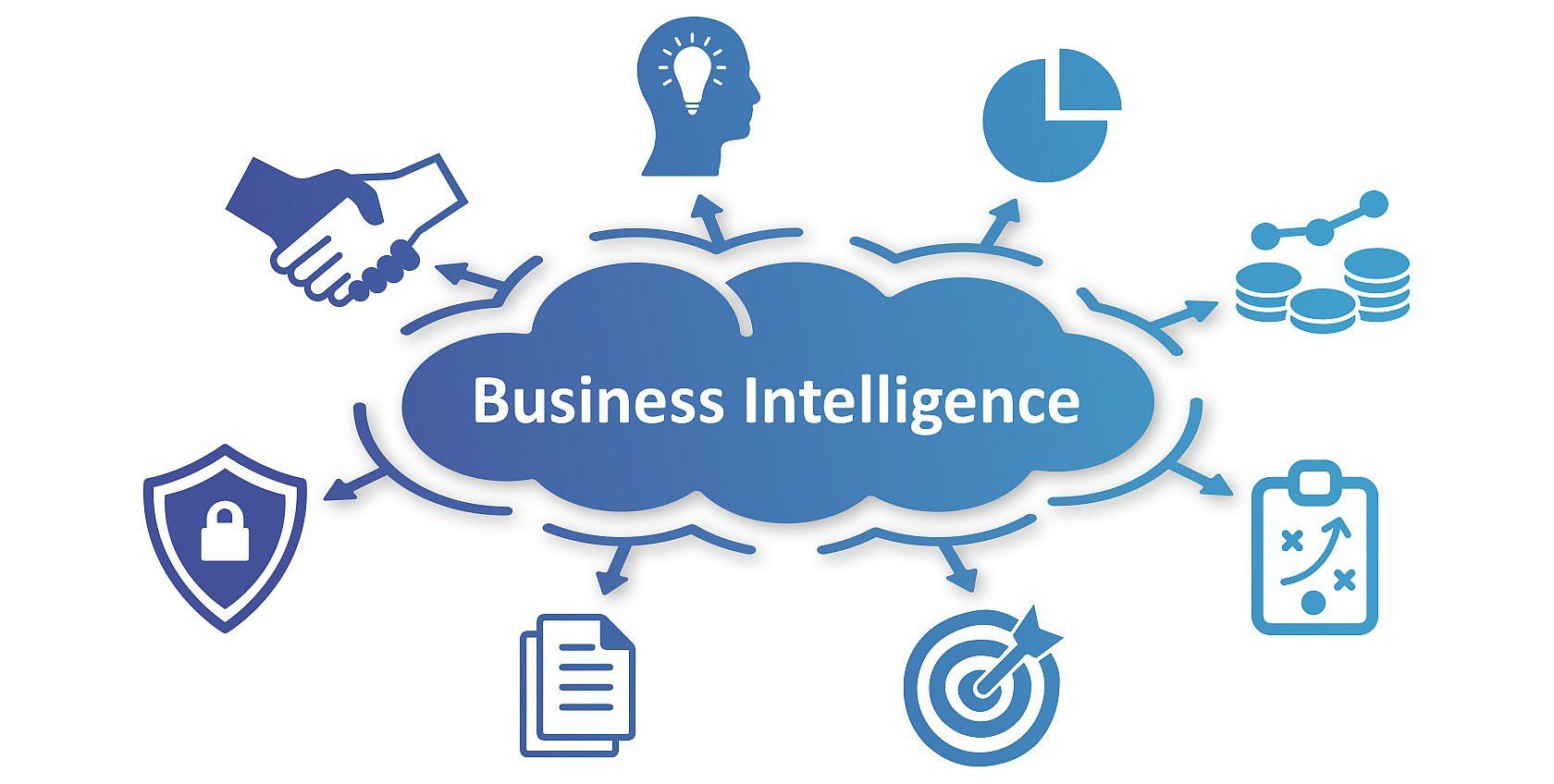
Power BI: Your Business Intelligence Companion
Power BI, a service of Microsoft, is a comprehensive business intelligence tool created to aid organizations in analyzing and share their insights from data. Power BI lets users create interactive dashboards and reports and transforms raw data into actionable information.
Whether you’re a small startup or a large enterprise, Power BI adapts to your needs. It integrates with multiple data sources to make it easier for users to consolidate data from multiple systems and databases. Its intuitive drag-and drop interface even non-technical users are able to quickly develop insightful reports and analyzes.
The Power BI platform supports real-time processing of data, making sure that you’re always working with most up-to-date data. It comes with a range of visualisations, which allows users to present data in a digestible and appealing manner. The capability to share and collaborate data with colleagues helps in making better decisions and promotes a data-driven culture within your company.
Microsoft Fabric The weaving of data Excellence
Microsoft Fabric is the underlying framework that connects and orchestrates data across different Microsoft services. It’s the fabric that connects your data into a unified and usable entity, allowing businesses to derive insights seamlessly.
In a world where businesses are faced with ever-growing data volumes, Microsoft Fabric provides the base for data consistency and integrity. Microsoft Fabric integrates an array of services, such as Azure Data Lake Storage (Azure SQL Data Warehouse), Power BI, and a host of others. The interconnectedness of the services ensures that data is flowing smoothly and that information can be drawn from diverse sources.
Microsoft Fabric excels at data transformation. It is a tool to manage data, prepare it for analysis and to ensure that it conforms to the policies for data governance of your company. Microsoft Fabric makes sure that your data is accurate secure, reliable and ready for analysis.
Azure Data Factory: the Gateway to Data Transformation
Azure Data Factory is another essential component in the modern business intelligence market. It’s a cloud-based integration service that permits you to create, schedule, and manage data-driven workflows. Azure Data Factory provides meaningful information through the orchestration of the movement of data and its transformation.
One of the main strengths of Azure Data Factory is its ability to connecting to a variety of data sources. Whether your data resides on-premises or is in the cloud it can be seamlessly integrated, ensuring you have a holistic view of your data ecosystem. It is able to handle batch processing, streaming of data in real-time, as well as big data analysis, which makes it ideal for a variety of instances.
Azure Data Factory provides a visual interface for the design of data pipes. Even if you’re not a programer it’s easy to create the schedule, monitor and control of data pipelines. Business users can take control of their data integration workflows and allows for self-service data preparation.
Power BI, Microsoft Fabric and Azure Data Factory: The Power Trio
When Power BI and Azure Data Factory when combined and merged, they form powerful three-in-one that will transform your data analysis processes. What is their relationship?
1. Data Integration: Azure Data Factory can connect to a variety of data sources, and guarantee that your data is accessible. Microsoft Fabric orchestrates the data from various services using the data integration capabilities. This ensures that your data is well-organized, clean and is ready for analysis using Power BI.
2. Data Transformation: Microsoft Fabric plays a crucial role in data transformation by allowing you to modify the data you have to suit your analytical needs. If it’s data-wrangling, cleaning, or even transforming the data, the fabric will ensure that the data is in good shape to provide meaningful insights.
3. Power BI is able to perform the task after your data has been refined and prepared. Power BI allows you to develop visually appealing reports as well as dashboards that make the most complex data easily understandable. You can then share these insights and encourage your team members to make decision-based on data.
4. Scalability: Azure Data Factory can expand to handle growing volume of data. Combining Power BI with Microsoft Fabric will make sure that your data is stable and reliable even as your company grows.
5. Power BI and Azure Data Factory give real-time information that are crucial in making quick and agile decisions.
The article’s conclusion is:
To be competitive in the business intelligence world companies need to utilize data effectively. Power BI combined with Microsoft Fabric and Azure Data Factory can take your business analytics to the next level. This trio will enable you to create stunning visuals, keep data consistency or streamline your workflows for data. Utilize the power of business intelligence and discover the power of your data.