In today’s fast-paced environment of digital technology, distractions can be found everywhere, making it harder to concentrate. It’s the reason why mastering your timing isn’t merely a talent, but an extraordinary skill. In case you’re stuck in study mode, working from home, or tackling personal projects, the ideal timer can be your most effective weapon. You can use the Pomodoro. This is more than just a timer, it helps you achieve more work, with less stress.
The Power of the Pomodoro Technique
The Pomodoro timer isn’t simply a clock that ticks; it’s a psychological tool that’s grounded in science. Francesco Cirillo developed the “Pomodoros” technique in the 1980s. This technique breaks down work into 25 minute intervals known as “Pomodoros”, which are followed by short breaks. This technique mimics the brain’s natural rhythm and helps us stay concentrated without feeling tired.
Each session is a sprint of concentration. Knowing that a break can take only minutes away makes it easier to avoid distractions such as Facebook and scrolling. When the timer goes off, it’s a signal not just to pause, but to acknowledge progress.
Countdown Timers: Staying grounded in the Present
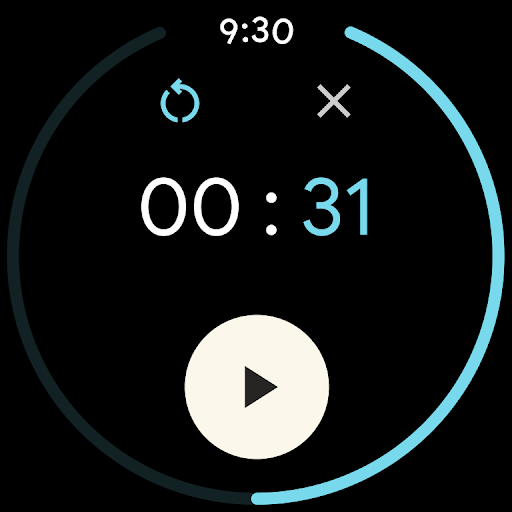
A Pomodoro timer helps to structure deep work while a countdown adds urgency. When there’s a visible ticking clock to the minute, it creates a mental impact called “temporal scarcity.” In a flash, time seems more precious. If you’re preparing an event, studying for an exam, or even cleaning the house and a countdown is playing in the background makes you aware of how much time you’re spending each minute.
Online timers are often equipped with this feature that allows you to determine the duration you need. These digital timers are much more adaptable and personal than traditional clocks for kitchens, as they are able to store preferences, cycle lengths, and break timers.
Stopwatch Timers: Measuring Efficiency, Not just Time
Stopwatch timers are a form of managing time. It counts up rather than down to determine the time it takes to complete a specific task. It’s a great tool for those who wish to increase their estimations, learn more about the pattern of work, or keep track of their billable time.
A stopwatch can be utilized by creative professionals, developers, or entrepreneurs to estimate the amount of time it takes them to finish a project for example, writing an article or editing videos. Over time, it becomes more simple to plan your schedule with intention and accuracy.
Smart Online Timers A New Trend
Today’s online timer tools are not just clocks on a screen. They’re intelligent, browser-based devices that will remember your preferences, even after you close the tab. With features like auto-advance between break and work sessions, cycle counts that you can customize along with sound notifications and visual progress rings, they offer users a seamless experience.
There’s also the option to turn on a mode called “Keep Screen On” This will make sure that your device doesn’t get sleepy during an event. Incorporate keyboard shortcuts, such as Space to play/pause, R to reset, and S to skip a phase, and you’ve got an easy workflow that isn’t using your mouse.
Touch: The Human Touch: Planning, Reflecting, and Adapting
Timers only work as long as they are effective. When we plan around them then the real transformation happens. It’s beneficial to break big goals into smaller simpler tasks prior to every Pomodoro. After a few cycles, a longer break provides the mind with space to recharge, whether that is walking, contemplating, or even enjoying a meal.
Retrospectively reviewing the sessions you’ve completed and identifying what distractions you experienced and what can be improved, can transform a basic tool into a strategy for growth.
Conclusion
The timer from Pomodoro is more than a productivity hack. It’s about a different mindset. It helps you focus on your work, take mindful breaks and develop a stronger relationship with time. By breaking tasks into focused intervals, it helps to turn massive to-do lists into achievable steps. Finding a rhythm, staying present and ending the day feeling like you’ve made accomplishment are essential than just checking off tasks.