A customer loves the color of a wig but finds the cap uncomfortable after several hours. A believable hairline is welcome, but another customer finds a daily twenty-minute lace routine more preparation than desired. The wig looks beautiful, but a different buyer finds the density heavier than expected once it is worn.
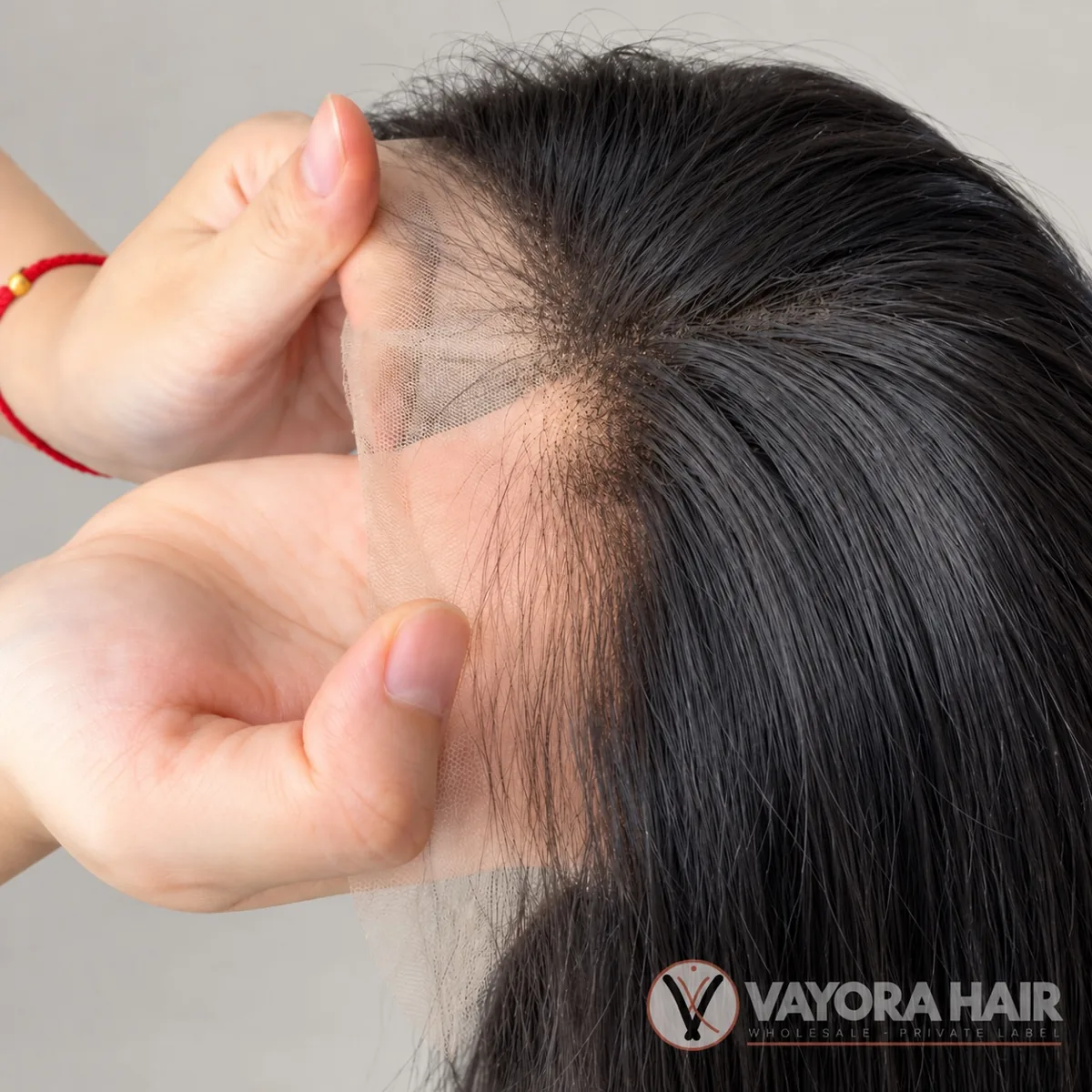
Image credit: vayorahair.com
For a wig brand, these comments are more than customer feedback. They reveal opportunities to develop products people will genuinely enjoy wearing.
A strong wig lineup does not have to center on the latest viral hair trend. A collection should begin with an understanding of customer preferences and the experience they want when they put it on.
Listen to the Problems Behind the Purchase
Buyers seldom use factory-specific terms to explain what they need. They talk about comfort, convenience, appearance, and confidence. The desire to simplify morning preparation may indicate a need for a glueless design. If customers complain about the hairline’s appearance, the team may need to review knot treatment and the look of the lace, along with the density or design of the part.
A human hair wig manufacturer China brands work with should be able to translate these everyday concerns into measurable product specifications.
Rather than specifying a 22-inch body-wave wig alone, a buyer can outline the experience intended for wearers, how the cap should fit, lace construction, the look of the hairline, and finished weight. The development process benefits from having a clearer set of objectives.
Develop a Distinctive Private Label Collection
Rather than defining their own range, many emerging brands rely on the products currently in demand. Such an approach can leave the brand with a catalog that looks strikingly like competitors’ offerings.
Working with a private label wig manufacturer China retailers can collaborate with allows brands to develop a more consistent product identity. Possible directions include a lightweight everyday range, a premium collection with natural-looking hairlines, or ready-to-wear units for buyers who want minimal preparation. Every choice, from length, texture, and color to density, cap construction, and packaging, should support the same promise to customers. When a range has a distinct identity, customers have a reason to return that is not limited to temporary savings.
Consider More Than the Glueless Label
Although the word “glueless” sounds straightforward, the experience of wearing the wig depends on a range of construction details. Everything from the size of the cap and adjustment features to attachment components, lace preparation, and hairline design affects how securely and comfortably the unit fits.
Before production starts, the glueless wig manufacturer China buyers select should help clarify these construction requirements. An easy-to-manage density, pre-cut lace, and simple adjustment features may be particularly important when the intended customers are inexperienced wig users. Different ways to customize the unit might be necessary in a collection aimed at professional stylists. There is no universal preference for either approach. Each is intended for a distinct type of buyer.
Sample Review and Brand Reputation
Even a good product photograph provides only part of the information about a wig. Does the cap fit properly? What is the hair movement like? Buyers also need to check whether the color meets expectations and the finished construction follows the approved design. Before a higher-volume order is placed, sampling can help reveal departures from expectations.
For a wholesale human hair wigs supplier, documented specifications and quality-control procedures are especially important when the same style must be produced repeatedly. Without clear references, a successful first batch may be difficult to reproduce consistently.
Prepare Your Collection for Future Growth
Through product development, private label services, sampling, specification control, and repeat-production workflows, VAYORA assists B2B wig brands, retailers, and distributors. The approach links customer expectations to the physical features that shape the wig’s appearance, fit, and feel.
Prior to expanding a product range, brands should examine customer feedback, recognize their strongest product opportunities, and set clear approval standards. More styles are not necessarily what the next well-received range requires. Instead, success may come from addressing compromises in the styles customers already want.