Septic tanks play a crucial role in wastewater management particularly for those who aren’t connected to sewers that are municipal. Property owners have two options in selecting the best tank for their septic system that are concrete or precast. Both have distinct advantages and disadvantages. When they understand the differences, property owners are able to make an informed decision to ensure a sustainable disposal of wastewater.
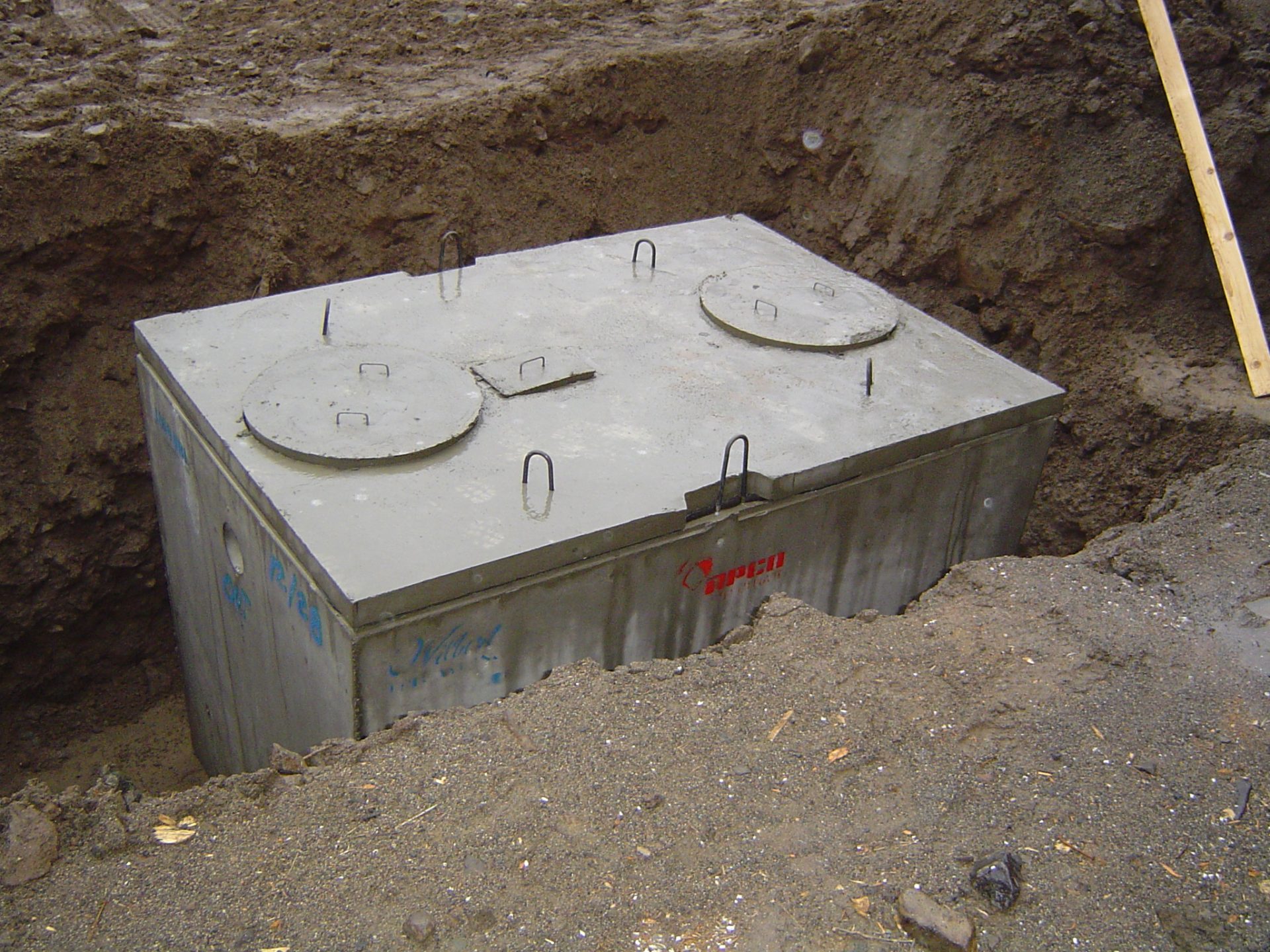
Septic tanks, often referred to as underground chambers, capture to process, disperse, and dispose of water from residential and commercial properties. Septic tanks are an important element in the process of treating wastewater. They allow for safe disposal of wastewater, while also safeguarding the public as well as the environment.
Concrete vs. precast septic tanks: Which is better for you?
Concrete septic systems have been around for a long time due to their durability. Constructed on-site using poured concrete the tanks are renowned for their strength, durability and ability to stand the test of time. Concrete tanks require a lot of labor to construct and may require a lengthy time.
However, precast septic tanks are made off-site and delivered to the property ready to be installed. These tanks are produced within controlled environments to ensure an even quality and structural integrity. Precast options offer the benefits of faster installation and lower costs for labor.
Owners of homes looking to replace or upgrade their septic tanks discover that precast tanks have several benefits. Precast tanks can be assured that they will meet strict quality standards due to the manufacturing process that is controlled. Furthermore, the smooth installation process ensures minimal disruption on the property and speeds up overall project timelines. For more information, click Precast septic tanks near me
How to maintain your concrete septic tank: Tips for Long-Term Durability
Although the durability of concrete septic tanks is well known, regular maintenance is necessary to ensure that the tank will last for a long time. Regular pumping and inspection are essential to avoid issues like clogging or structural damages. The property owner must also be aware of the chemicals and materials used in the septic system in order to stop damage.
Environmental aspects are taken into consideration in the design of a precast septic tank. They are constructed with sustainable methods, which reduce the amount of energy and waste that is produced. Precast tanks are durable and durable, reducing their environmental impact.
Property owners need to consider their own needs and preferences in deciding if they want to install the septic system. Precast or concrete tanks are affected by soil type, size of the property and local laws. A consultation with experienced experts can assist property owners in making an informed decision based on their individual requirements.
How Septic Tanks Contribute to Sustainable Wastewater Management
Septic tanks play a crucial role in sustainable wastewater management, providing an effective means for treating and disposing of household effluent. Septic systems that are properly maintained contribute to the protection of groundwater as well as surface water, while preserving the integrity of the local ecosystems.
The proper size of the septic tank will make sure that the wastewater is treated efficiently and help avoid over-loading the system. When you are determining the correct tank size, think about factors like the size of the property, the amount of water used and the amount of occupants. A proper size tank is crucial for efficient wastewater treatment and disposal.
Modern manufacturing techniques used for the production of precast septic tanks yield quality, durable solutions for efficient wastewater treatment. These tanks meet industry standards, and offer property owners a secure and low-maintenance solution to the management of wastewater.
Septic tanks require regular maintenance to ensure their optimal performance and durability. The maintenance schedules that are recommended should be followed by owners of properties, which include inspection, pumping and monitoring the system. By taking care of maintenance in a timely manner, property owners can avoid costly repairs and ensure the continued operation of their septic tank system.
In the design phase, a septic system designed for sustainable wastewater management is crucial. Whatever you decide to use, precast or concrete the system should be designed to satisfy the needs of your property and provide efficient treatment and disposal. Professional design and installation services can assist property owners to design functional and reliable system for septic tanks.
The Environmental and Economic Repercussions of Upgrading to Precast Septic Tank Systems
Moving to a precast tank can have positive effects on the environment as well as the finances of property owners. The lower installation time and costs associated with precast tanks can lead to lower costs for property owners. The environmental benefits associated with a precast tank also contributes to sustainable management of wastewater.
The final decision is to select the best septic tank is an essential decision for property owners looking for sustainable solutions for managing wastewater. If you decide to go with concrete or precast homeowners must take into consideration durability, the efficiency of installation as well as long-term maintenance and the impact on the environment. Making informed decisions will aid property owners in ensuring the effectiveness of their septic system and longevity for many years.