The wastewater lift station in a municipality is old. The pumps are at the end of their useful life span, the controls require modernization and the access hatch has deteriorated. Even though the concrete wetwell is structurally sound, it’s time to be updated.
Should the station be totally destroyed? Not necessarily. One of the most important questions to ask is whether or not the existing infrastructure will be able to support pumps that meet current standards without compromising reliability and capacity.
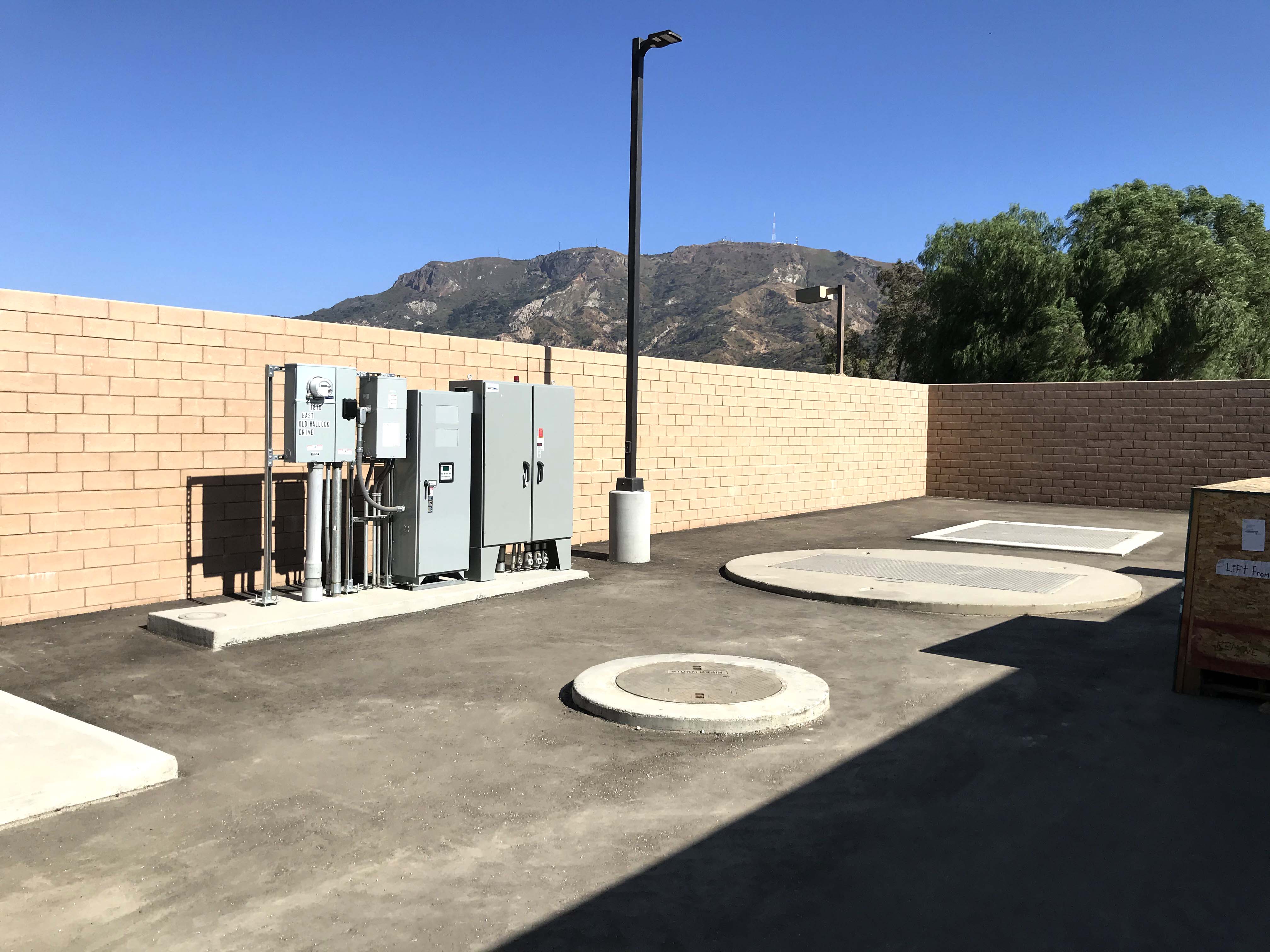
Image credit: romtecutilities.com
Retrofitting a pump station can be an excellent way to protect infrastructure and replace parts that are no longer functioning.
Start with the Structures That Nobody Will Want to Replace
The wet well is usually one of the most expensive and disruptive parts to replace as it is located underground, linked to existing pipes, and crucial for wastewater collection.
Intentionally retaining the concrete structure could decrease excavation and construction work.
However, damage to the access hatch could complicate the choice. Romtec Utilities identifies wet well hatch replacement as a common retrofit requirement. It may be more durable to replace the top layer rather than attach a new hatch onto deteriorated concrete. This can increase access to the structure, and extend its utility, without having to replace the entire structure as well.
A Powerful Pump Changes the Engineering
Imagine a neighborhood that has grown significantly from the time of the first lift station installation. The current pumps may not be able to deal with the growing flow of wastewater.
Pumps with higher horsepower could be used to improve a pumping station, but the equipment should also be incorporated within the system. Pumps with greater power may require modifications to elbows for discharge, pipes, valves, electrical controls as well as other components.
Engineers must also evaluate the requirements of the hydraulic system, including flow and total dynamic head. A larger pump installed without taking a look at these requirements could cause problems in operation instead of resolving these. Planning for future capacity when you are making the initial design stage can help later expansions to be much easier.
Make sure the wastewater is moving during Construction
Retrofitting a pump station for wastewater is a particular challenge that isn’t encountered by other construction projects. The station may have to be operational for the duration of construction.
The water continues to flow even when contractors are at work. According to the study an interim bypass pumping system might be necessary to maintain service as the old equipment is removed, or new parts are installed.
Romtec Utilities was able to address this kind of challenge in the Federal Law Enforcement Training Center in Brunswick, Georgia.
The project consisted of replacing two aging wastewater lift stations in the process of maintaining operation at the facility. The project was able to adapt to the existing footprints of stations as well as operational requirements by using customized engineering on site and integrated replacement systems. This example demonstrates how the order of construction should be carefully considered before installation.
If you think replacement is the better option, replace it.
Not all stations are suitable to be renovated. A severely deteriorated wet well, inadequate structural capacity, or major changes in hydraulic requirements may make sewer lift station replacement more appropriate than modifying the existing installation.
It is vital that the decision made takes into consideration structural conditions the compatibility of equipment and accessibility to construction, as in the long-term requirements for operation. Romtec Utilities starts retrofitting and replacing projects by identifying components that will be retained as well as those that require to be replaced.
The firm will then develop sites-specific engineering designs along with budget estimates and preliminary designs. Prefabricated parts are a great way to organize installation, and reduce on-site construction.
The work isn’t done until the pumps start
Modern lift stations should be operated as an integrated system. Before returning the lift station back to service, testing the startup and commissioning are a way to make sure that the pumps, controls and other equipment are performing according to approved design.
Training for operators and operation and maintenance manuals are equally crucial. Before they can assume responsibility for an entire station, the personnel in charge of maintenance must know about new equipment, procedures and the documentation.
Retrofitting infrastructure effectively preserves its value while fixing the issues that caused modernization.
For municipalities and facility owners, that means looking beyond immediate repairs. The most successful project is one that integrates new equipment into existing structures, ensures vital services during construction, and prepares the pumping system for years to come of operation.