In the medical world, it’s easy to believe that higher quality imaging means more detailed images. In reality, good radiology has more to do with it appears. It is vital to determine whether medical tests is able to provide the information needed to address a particular situation.
If a patient needs to be evaluated for breast or prostate problem, the diagnostic questions are different. Modern radiology does not rely on a single scanner to cover all scenarios, but instead uses a technique of range imaging to tackle these differences.
Patients can access a wide selection of diagnostic procedures and image-guided procedures within the Wolfsburg Diagnostic Center.
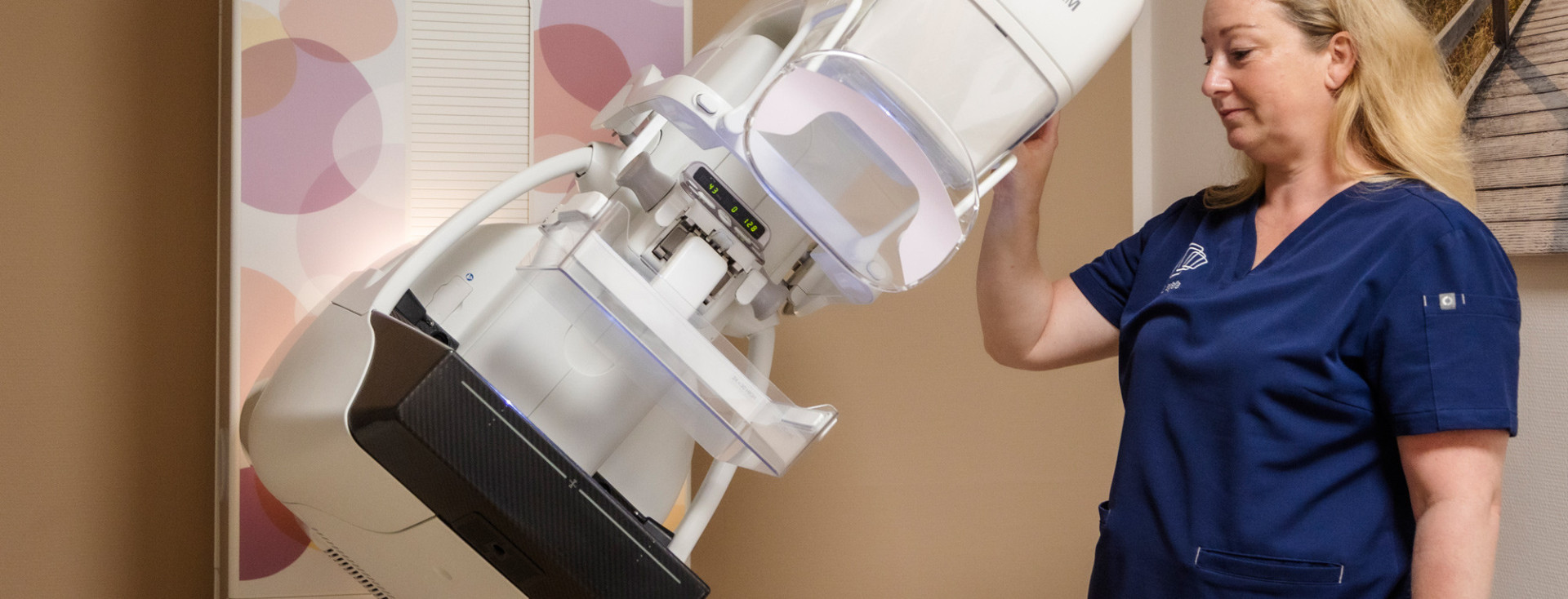
Image credit: diagnostikzentrum-wolfsburg.de
Different areas of the body display themselves in different ways
With different imaging techniques the soft tissues, bones, organs, joints and other structures may not appear in exactly the same way.
Magnetic resonance imaging can be especially helpful when a clear view of soft tissue structures is required. The Wolfsburg Diagnostic Center has two 1.5 Tesla MRIs that are utilized to conduct examinations of the spine and brain as well as internal organs and soft tissues.
MRI does not use X-ray radiation. If needed, the center offers more targeted exams including prostate MRIs or whole-body MRIs.
The lesson for patients is straightforward: the term “MRI” refers to the technology, but the medical condition defines how this technology is employed.
CT Provides a Different Point of View
In the field of diagnostic medicine, CT performs specific roles. CT uses X rays to produce detailed cross-sectional body pictures. The Wolfsburg Diagnostic Center employs low-dose technology in order to reduce radiation exposure while keep image quality.
The right imaging technique will be determined based on the particular clinical scenario. The audio quality of an image does not always be a sign of its accuracy.
Digital X ray remains relevant
With MRI and CT receiving a lot of attention traditional X-rays can appear old-fashioned. Modern digital X-ray tells a different story.
Digital technology continues to offer an established method of examining the skeletal system. Modern equipment incorporates high-resolution images with techniques intended to limit radiation exposure.
The most recent technologies are not just replacing old methods however, they are broadening the options for radiologist.
Breast Imaging demonstrates value in the context of a specific method
Breast diagnostics are a further example of specialized imaging. The center offers breast ultrasound, 3D mammography (or tomosynthesis) and mammography. These technologies offer different types of imaging information, and could be utilized based on the individual medical needs of each patient.
The same principles apply to radiology: a good imaging process begins by understanding the issues that need to be studied.
Imaging can aid in treatment
The scope of radiology goes beyond the detection or checking for any abnormalities. The Wolfsburg Diagnostic Center offers CT-guided Periradicular Therapy (PRT) in which CT imaging can be used to guide the procedure. Another option is low-dose radiotherapy.
These examples show how medical imaging is more than simple observation and help guide treatment.
Affirming your focus with the utmost precision
Modern diagnostic centers aren’t only defined by the number of machines it runs. The quality of a diagnostic center is also determined by the proper use of technology to meet an medical issue that has been clearly defined and experienced specialists interpreting the images. To learn more CT Wolfsburg
In private consultations in Wolfsburg, patients have access to a broad array of radiological examinations, specialist care, and direct discussion of their findings.
It’s not just about produce more pictures. It’s about producing clinically useful data that aids physicians and patients in better understanding the medical questions being investigated.