Many homeowners don’t realize the importance of septic tanks risers as they’re looking after their septic tanks. These essential, but simple components provide convenient access points to the septic tank, making routine inspections, pumping and maintenance tasks a lot easier. Installing risers in your septic tanks can eliminate the necessity of digging into the ground every time you need to perform services. It not only saves time and effort, but can also minimize the disturbance to your landscaping. The risers of septic tanks can also lower the chance of injury or accidents while maintaining, because they provide a safe entry point into the tank.
Effluent management is another critical aspect of maintaining a healthy septic system. The liquid waste discharged from the septic system in the drainfield for further treatment is referred to as effluent. The combination of bacteria, organic matter and water is known as effluent. Solid particles from the effluent may be able to settle at the bottom of the tank and develop into a sludge-like layer. If not eliminated promptly, may accumulate and cause a clog within the system. It could also damage the drain field. Regular pumping and effluent control ensures that the tanks run effectively, preventing blockages and prolonging their lives.
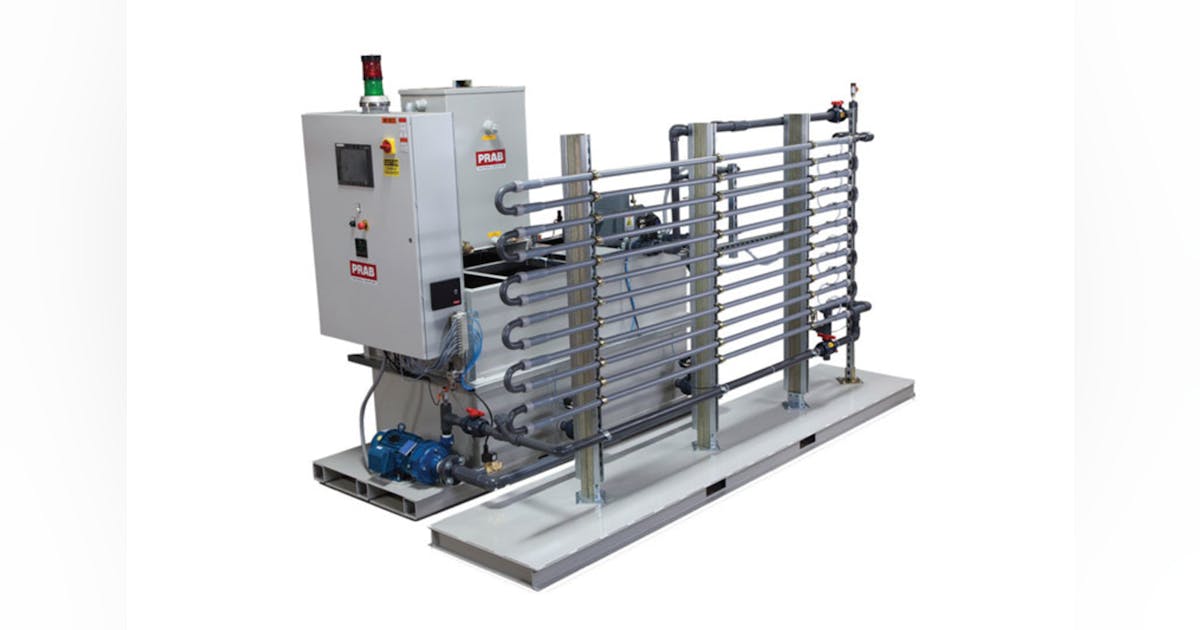
A proper draining of your septic tank is essential to the efficiency of your tank. When water is discharged from your house and goes into the septic tanks it undergoes a natural separation. Solid waste sinks to the bottom while oil and lighter substances rise up to the top and form a scum. The effluent (the liquid left within the tank) leaves and is discharged into the drain field, where it will be treated and then absorbed by the soil. A well-designed drainage system allows effluent to flow freely, avoiding back-ups and flooding. It is vital to ensure that the drainage pipes are clear of debris, roots, or other obstructions which could interfere with the effluent’s flow. Regular checks and maintenance of the drainage system can help keep costly repairs from happening and prevent possible environmental contamination.
Picking the right septic system for your home is an important decision which can have lasting implications for the sanitation of your home and performance. There are a myriad of options in the market. It is crucial to take into consideration several factors prior to making a decision. The size of the tank must be determined by the usage of water of your home and the number of people living in the house. If you have a large household or often host guests, then a larger tank is required. Think about the materials that is used to build the tank. Concrete, plastic and fiberglass are the most common choices. Each has its advantages and disadvantages, based on their reliability, maintenance, as well as cost. Be sure to review any local rules and regulations regarding the installation of septic tanks. It is recommended to select a tank to be in compliance with the standards set by your local authorities and complies with all regulations.
Also, speak with a professional septic system installer who can assess your property’s requirements and offer expert advice based on the soil conditions and topography. Think about these points to make sure you select the right septic tank to your home.
A reliable and healthy system relies on correct maintenance and operation of septic systems along with efficient effluent management, riser installation, and appropriate drainage. Septic tanks are the main treatment for household waste. Effluent management is the process that allows that the treated liquid waste. Risers offer easy access to the tank, making maintenance tasks less stressful and safer. Proper drainage will ensure a seamless flow of effluent, which prevents system failures. Prioritizing these factors and maintaining regular maintenance procedures will ensure that septic systems are environmentally eco-friendly, efficient and durable. This promotes a healthy and safe living space.